Drawn from the Earth: How Anime Studios Turn Real Nature Into Worlds You Never Want to Leave
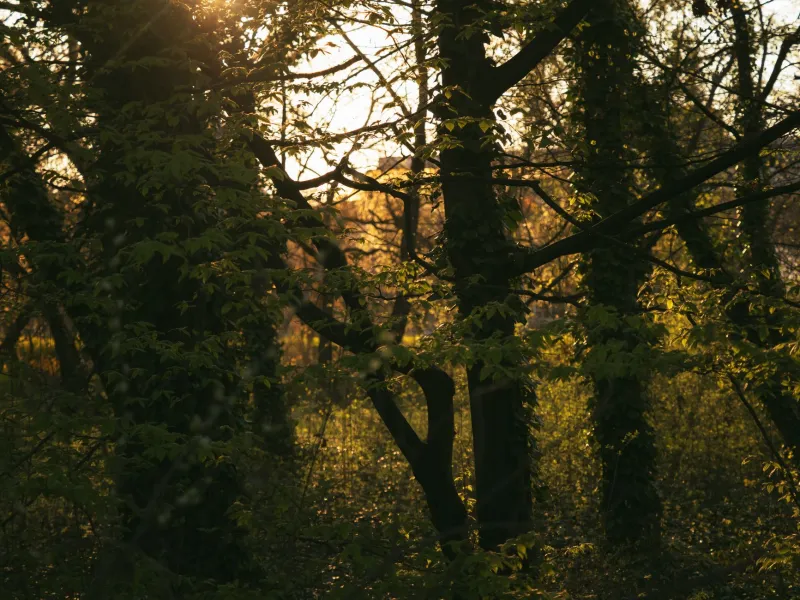
Picture the scene: a child runs through a forest so dense and textured that you can almost feel the humidity. Light filters through leaves in exactly the way light actually filters through leaves. A single drop of water runs down a blade of grass with the unhurried patience of something real. You're watching a cartoon, but your nervous system isn't entirely convinced.
This is the effect that the best anime background art achieves — and it doesn't happen by accident. Behind the most visually immersive animated worlds in the medium's history lies a research process that is, frankly, kind of obsessive. Field trips. Botanical consultations. Seasons-long observation journals. Hours of nature footage reviewed frame by frame. The studios doing this work don't just want to depict nature — they want to understand it well enough to rebuild it from scratch.
The Sketch Before the Scene
The foundational practice in anime environment design is the location scouting trip, and it functions almost exactly like it does in live-action filmmaking. Background artists and art directors travel to specific regions — forests, coastlines, mountain villages, rice paddies — and spend days sketching, photographing, and simply sitting with the landscape.
The goal isn't to produce a photographic recreation. It's to absorb how a place feels — the angle of afternoon light on a particular hillside, the way cedar trees cluster differently than oak trees, how a path through undergrowth looks used versus abandoned. This observational raw material gets filtered through the artist's hand and becomes something that is simultaneously more real and more beautiful than a photograph could be.
Background artists who have worked on major productions describe the process as almost meditative. "You're not trying to memorize the scene," one veteran background painter explained in a translated interview featured in an animation production retrospective. "You're trying to understand it. There's a difference. When you understand it, you can paint it from any angle, in any weather, with any emotional tone the director needs."
Why Botany Ends Up in the Credits (Sort Of)
One of the more surprising details that anime production fans have uncovered over the years is the degree to which botanical accuracy matters to certain studios. This isn't universal — plenty of anime environments are happily stylized — but for studios and directors committed to naturalistic world-building, getting the plants right is non-negotiable.
This means identifying which species of tree would actually grow in a given climate, understanding how those trees change across seasons, and knowing which wildflowers bloom in which months. It means consulting botanical references for the shape of specific leaves and the structure of root systems. Some production teams have been documented using pressed plant specimens and botanical illustration books as direct reference material during background art development.
For American viewers, this level of detail often registers as something felt rather than consciously noticed. You don't think, "ah yes, that's an accurate Japanese cedar." You think, "this forest feels real." That feeling is the payoff for all that botanical homework.
Seasons as Storytelling Infrastructure
Japanese culture has an exceptionally refined relationship with seasonal change — the concept of mono no aware, the bittersweet awareness of impermanence, is deeply tied to the way seasons mark the passage of time and the turning of life. Anime studios that take world-building seriously build this into their environments at a foundational level.
Background art teams will often develop multiple versions of a key location across all four seasons, even if the story only visits it once. This practice ensures that the environment has internal consistency — that the trees in the background are the right species to show the colors they'd show in autumn, that the light in a winter scene has the flat, diffused quality of actual winter light rather than summer light with a color filter slapped on top.
For American fans accustomed to animation where backgrounds are largely static and decorative, this seasonal architecture in anime can feel profoundly different. There's a sense that the world exists independent of the characters moving through it — that it was there before the story started and will be there after it ends. That sense of environmental permanence is a big part of what makes these worlds feel worth escaping into.
The Nature Documentary Connection
Here's where things get genuinely interesting for the production-nerd crowd: several major anime studios have documented processes that involve reviewing nature documentary footage as reference material during pre-production. Not for copying specific shots, but for understanding motion.
How does tall grass actually move in wind? What does the surface of a river look like from bank level versus from above? How do birds land on branches — what does the branch do, what do the surrounding leaves do? These are questions that nature documentary cinematographers have spent careers answering, and that footage represents an incredible library of observed natural behavior.
Background art handles the static elements, but the interaction between static environments and moving elements — water, wind, light — requires understanding natural physics in a way that pure imagination can't always supply. The studios that nail this interaction are the ones whose forests feel inhabited, whose rivers feel cold, whose wind feels like it has actual weight.
Why This Resonates So Hard with American Audiences
There's something worth sitting with here, which is the question of why this approach to natural environments lands so powerfully with fans in the United States.
Part of it is probably contrast. American animation has historically leaned into stylization and exaggeration — backgrounds as mood-setting rather than world-building. When American viewers encounter anime environments that feel researched and observed rather than designed and decorated, it hits differently. There's a quality of attention that communicates itself even when you can't name what you're responding to.
But there's also something about the specific nature being depicted. Japanese forests, rice terraces, bamboo groves, and coastal villages represent a landscape that most American viewers have never experienced firsthand. It's exotic without being alien. It operates on familiar natural principles — trees, water, light, seasons — while looking and feeling unlike anything most American fans have grown up with. That combination of familiarity and otherness is powerful escapism fuel.
Anime fan communities in the US have increasingly organized around this aesthetic appreciation. Studio Ghibli landscape pilgrimages — trips to Japan specifically to visit locations that inspired backgrounds in beloved films — have become a genuine travel niche. Instagram accounts dedicated to identifying real-world locations behind anime scenery have massive followings. This is fandom as botanical appreciation, which is a sentence that still feels wild to type but accurately describes something real.
Growing Your Own Appreciation
If you want to start engaging with anime environments at a deeper level, here are a few ways in:
Pause more. Seriously. Background art in anime is often extraordinary and moves past too quickly. Find a scene in a show you love, pause it, and actually look at what's in the frame. Count the visual layers. Notice what's in focus and what isn't.
Look up the location research. For major productions, production companies often release art books (settei) that include background art alongside notes on the research process. These are available through import retailers and are worth the investment if you love a particular series.
Watch with seasonal awareness. Start noticing what season it is in any given anime scene. See if the environment is consistent with that season in ways you'd expect from the real world. When studios get this right, it adds a layer of time and passage to the story that's easy to miss.
Visit a Japanese garden if you can. Many American cities have Japanese gardens — Portland, San Francisco, Seattle, Fort Worth — and spending a few hours in one with anime backgrounds in mind is a genuinely illuminating experience. You start to see what the artists were responding to.
At Chisou-En, we believe that the deepest pleasures in anime fandom come from understanding the roots — the cultural, artistic, and natural soil from which these stories grow. The environments in your favorite shows aren't just pretty backdrops. They're arguments, made in paint and light, for the importance of paying attention to the world. That's worth noticing.