Tired of Hustle Culture? Iyashikei Anime Might Be the Reset Button You Didn't Know You Needed
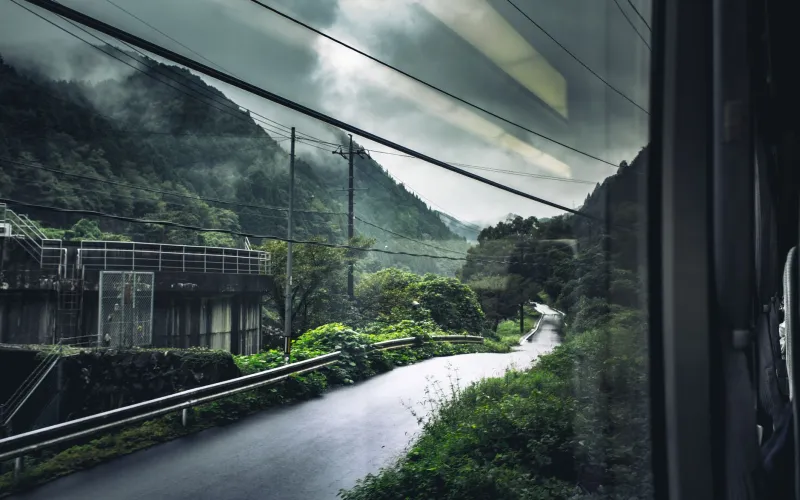
Somewhere between a third cup of coffee and another Slack notification, a lot of Americans are quietly opening their laptops and watching a teenage girl tend a garden in the Japanese countryside. No explosions. No plot twists. No stakes. Just... dirt, and sunlight, and the sound of wind through tall grass.
Welcome to iyashikei — and honestly, it might be saving people.
What Even Is Iyashikei?
The word itself (癒し系) translates loosely to "healing type" or "soothing style," and as a genre, it does exactly what it sounds like. Iyashikei anime prioritizes atmosphere over action, emotional texture over dramatic tension. Characters aren't racing against the clock to save the world. They're making soup. They're watching fireflies. They're having low-key conversations on a porch at dusk.
The genre has roots going back decades in Japan, partly as a cultural response to the pressure-cooker environment of Japanese work culture — the same grind that gave the world terms like karoshi (death from overwork). In that context, iyashikei wasn't just entertainment. It was a small, deliberate exhale.
Now, American audiences are exhaling too.
The Shows That Started the Conversation
If you spend any time in anime communities on Reddit, Discord, or TikTok, you'll notice a handful of titles coming up again and again whenever someone says they're burned out or anxious.
Nichijou is one of them. On the surface, it looks like a chaotic comedy — and it kind of is — but underneath the absurdist humor is a deep tenderness for ordinary, unremarkable days. The show finds something almost sacred in the mundane: a failed attempt to make small talk, the ritual of walking to school, the weird intimacy of sharing lunch. American fans often describe watching it as "a hug from a show."
Then there's A Place Further Than the Universe, which follows four high school girls on an expedition to Antarctica. That sounds adventurous, and it is — but the emotional core of the series is about something quieter: the courage it takes to actually pursue the things you care about before life gets in the way. For a generation of Americans who grew up being told to grind now and live later, that message hits differently.
Aria the Animation, Non Non Biyori, Mushishi — the list goes on. Each of these shows operates on a frequency that mainstream Western entertainment rarely touches.
Why American Audiences Are Tuning In Right Now
Timing matters here. The iyashikei wave in the US hasn't happened in a vacuum. It's arriving at a moment when burnout has essentially gone mainstream. The American Psychological Association has been tracking stress levels for years, and the numbers aren't pretty. Phrases like "quiet quitting" and "soft life" have entered everyday vocabulary. The hustle-culture aesthetic that dominated the 2010s — rise and grind, sleep when you're dead — is facing serious cultural pushback.
Into that gap walks a genre built entirely around the idea that existing slowly is enough.
There's also a meaningful overlap with the mindfulness movement that's been growing in the US for years. Meditation apps like Calm and Headspace have built massive user bases by selling Americans on the idea that stillness has value. Iyashikei anime is, in a way, a narrative version of that same pitch — except instead of a guided breathing exercise, you get a 24-minute episode about a young woman learning to make tofu in a mountain village.
Japanese Minimalism as a Storytelling Tool
What makes iyashikei work isn't just the slow pacing — it's the visual and narrative philosophy behind it. These shows draw heavily from Japanese aesthetic concepts like ma (negative space, the meaning found in pauses and emptiness) and wabi-sabi (the beauty of imperfection and impermanence). A character sitting silently by a window while rain falls outside isn't a scene waiting to happen. It is the scene.
For American viewers raised on three-act structures and ticking clocks, this can feel disorienting at first. But that disorientation tends to dissolve pretty quickly, replaced by something that's harder to name — a kind of relief, maybe, at being let off the hook from narrative urgency.
Anime studios like Kyoto Animation have become particularly skilled at this. Their attention to background detail, ambient sound design, and unhurried character animation creates environments that feel genuinely livable. You don't just watch these shows. You kind of inhabit them for a while.
The Wellness Angle Nobody's Talking About Enough
Here's something worth sitting with: iyashikei is functioning as wellness content for a lot of Western fans, even if nobody's branding it that way.
People are building evening routines around it. They're recommending specific episodes to friends going through hard times the way they'd recommend a playlist or a yoga video. Online communities dedicated to healing anime often read less like fan forums and more like support groups — in the best possible way.
This is a genuinely interesting shift in how American audiences are relating to anime. For a long time, the gateway shows were the big, dramatic ones — Attack on Titan, Death Note, Demon Slayer. High intensity, high investment. Iyashikei is carving out a completely different entry point, one that appeals to people who maybe don't think of themselves as anime fans at all, but who desperately need what these shows are offering.
So Where Do You Start?
If any of this sounds appealing and you haven't dipped into the genre yet, here's a low-pressure starting point: try Yotsuba&! (adapted into various formats), Barakamon, or the first season of Non Non Biyori. None of them require any prior anime knowledge. None of them will stress you out. That's kind of the whole point.
The slow life revolution is already underway. You're allowed to join it at whatever pace feels right.