Lost in Translation: 10 Japanese Words That Unlock the Soul of Anime
You're watching an episode of Violet Evergarden, and suddenly your throat tightens. The music swells, the animation slows, and a single falling leaf carries the weight of an entire relationship. The subtitles say something like "I understand now" — but that doesn't come close to explaining why you're reaching for tissues.
Here's the thing: Japanese has words for that exact feeling. Words English doesn't have. And once you know them, anime stops being something you watch and starts being something you genuinely understand.
Welcome to the garden. Let's dig in.
1. Mono no Aware (物の哀れ) — The Bittersweet Beauty of Impermanence
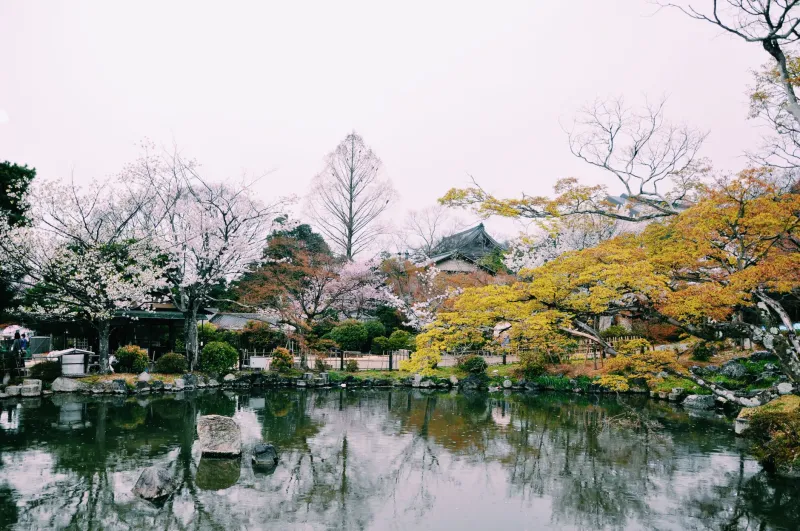
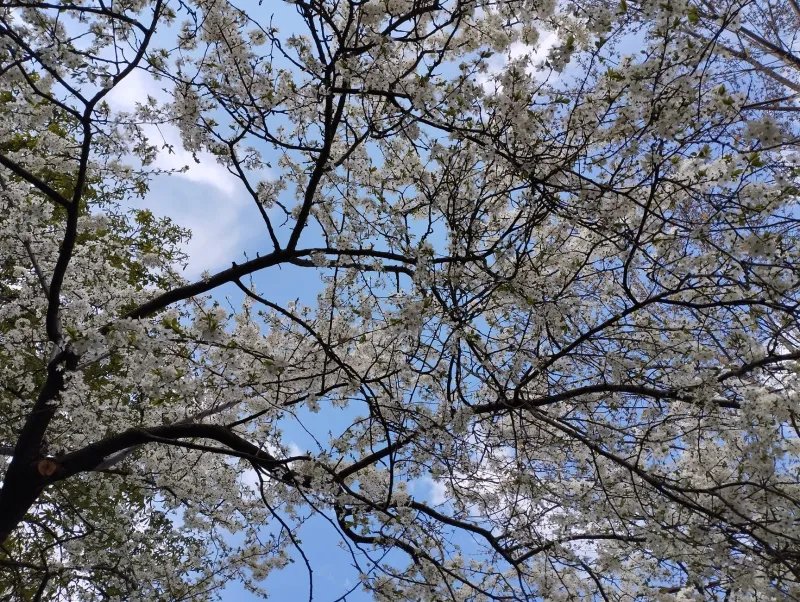
This is probably the most essential concept on this list. Roughly translated as "the pathos of things," mono no aware describes the gentle sadness that comes from knowing beautiful things don't last. Cherry blossoms are the classic example — they're gorgeous because they fall.
Anime uses this constantly. Think of the final episodes of Anohana, or almost any arc in Clannad: After Story. The emotional gut-punch isn't just sadness — it's the awareness that something precious existed and is now gone. That layered feeling? That's mono no aware.
2. Yohaku no Bi (余白の美) — The Beauty of Empty Space
In Western storytelling, silence often signals something went wrong in the editing room. In Japanese aesthetics, silence is a deliberate artistic choice. Yohaku no bi literally means "the beauty of blank space" and it's why directors like Makoto Shinkai let scenes breathe — a rain-soaked window, a quiet train ride, nobody saying anything for a full thirty seconds.
That stillness isn't filler. It's the canvas that makes the next emotional beat land harder.
3. Komorebi (木漏れ日) — Sunlight Filtering Through Leaves
There's no single English word for the way sunlight scatters through a forest canopy and dances on the ground below. Japanese has komorebi, and anime's background artists have basically built entire careers around depicting it. Next time you notice those golden, dappled light effects in a forest scene — that's a cultural concept being painted frame by frame.
4. Wabi-Sabi (侘寂) — Finding Perfection in Imperfection
Cracked pottery. Weathered wood. A handwritten letter with smudged ink. Wabi-sabi is the philosophy that imperfection carries its own kind of beauty. You'll spot this in slice-of-life anime all the time — the appreciation for old neighborhoods, worn-out objects, and ordinary moments that haven't been polished into Instagram perfection.
5. Amae (甘え) — The Comfort of Depending on Someone
Amae describes the emotional security of leaning on someone who you trust completely — almost like a child with a parent, but it applies to all kinds of relationships. It's why so many anime relationships feel emotionally rich even before anything romantic happens. That warmth between two characters who just get each other? That's amae being depicted without ever naming it.
6. Ikigai (生き甲斐) — Your Reason for Being
This one's gotten some mainstream traction in the US wellness space, but its anime applications run deep. Ikigai is your purpose — the thing that makes getting up worthwhile. It's the engine behind almost every shonen protagonist's journey. Naruto's ikigai is becoming Hokage. Izuku Midoriya's is proving that a quirkless kid can still be a hero. The whole genre is basically a meditation on finding and protecting your ikigai.
7. Natsukashii (懐かしい) — A Nostalgic Longing That Feels Warm
Nostalgia in English can feel bittersweet or even painful. Natsukashii is warmer — it's the fond ache of remembering something good from your past. Ghibli films are absolutely soaked in it. When Chihiro's parents eat at the spirit world restaurant, or when Kiki first flies over the ocean — there's a glow to those scenes that goes beyond pretty visuals. It's natsukashii being animated.
8. Ma (間) — Meaningful Pause
Related to yohaku no bi but more about timing than space. Ma is the pause, the gap, the breath between notes. It's why a well-directed anime scene can have a character look at something for three full seconds and you feel it in your bones. American TV tends to cut faster; anime understands that ma is where emotion lives.
9. Ganbaru (頑張る) — To Do Your Best With Everything You've Got
This verb gets thrown around a lot in anime — "Ganbatte!" is basically the motivational phrase of the medium. But it means more than just "try hard." It implies perseverance through difficulty, effort as a form of respect, and the idea that the trying matters as much as the outcome. It's why sports anime hits different. It's not about winning. It's about ganbaru.
10. Shouganai (しょうがない) — It Can't Be Helped
This one's almost the philosophical flip side of ganbaru. Shouganai is the quiet acceptance of things outside your control — a kind of peaceful resignation that isn't defeat. You'll see it in how anime characters respond to loss, to circumstances beyond them, to endings they didn't choose. It keeps stories from feeling melodramatic while still honoring genuine grief.
Why This Matters for Western Fans
Learning these concepts doesn't require a Japanese language class. It just requires a little curiosity — and the payoff is massive. When you watch anime knowing that a slow pan across a rainy street is yohaku no bi, or that a character's quiet acceptance is shouganai, you're no longer just reading subtitles. You're meeting the story where it actually lives.
The subtitle gets you the plot. These words get you the soul.
At Chisou-En, that's exactly the kind of garden we're trying to grow — a space where Western fans can dig deeper into the roots of what makes Japanese storytelling so distinctly, powerfully itself. These ten words are just the beginning of that path.