No Doesn't Mean Never: What Anime Characters Know About Getting Back Up After a Crushing 'No'
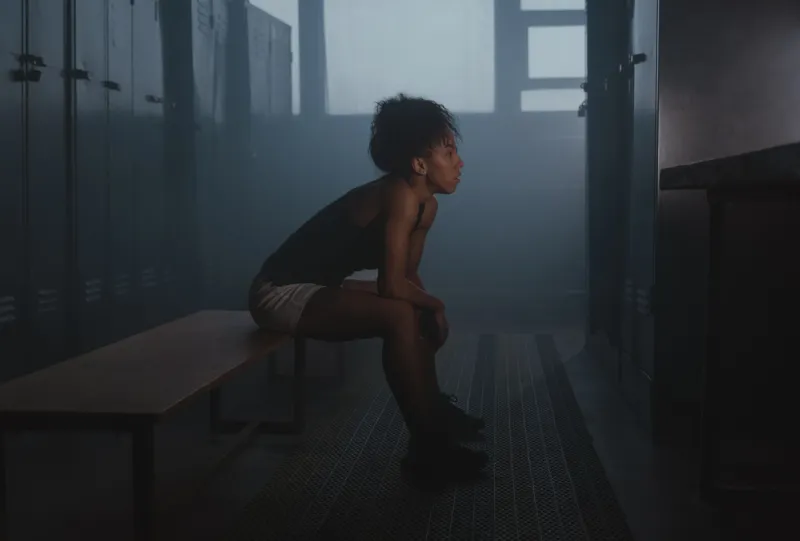
There's a particular kind of gut punch that only anime seems willing to deliver without immediately apologizing for it. A character pours everything into a moment — a confession, an audition, a battle they've trained years for — and then the answer comes back: no. Not a soft no. Not a 'maybe later.' Just a flat, unambiguous rejection that the camera holds on for a beat longer than feels comfortable.
American storytelling tends to flinch here. We get a quick montage of moping, a pep talk from a best friend, and then a triumphant second act. The pain is acknowledged but rarely inhabited. Anime, though? Anime pulls up a chair and stays a while.
And honestly, that willingness to sit inside the discomfort is one of the most quietly therapeutic things about the medium.
When the Story Refuses to Skip the Hurt
Think about Naruto Uzumaki — not the version who eventually earns everyone's respect, but the early version who gets looked through like he doesn't exist. The village's rejection of him isn't framed as a misunderstanding to be quickly corrected. It's a sustained, grinding reality that shapes who he is across hundreds of episodes. The show doesn't rescue him from the feeling of being unwanted. It makes you live in it alongside him.
Or consider Haikyuu!!, a sports anime that's genuinely more interested in what happens after you lose than in the wins themselves. Whole arcs are built around the aftermath of defeat — the bus ride home in silence, the off-season where you have to figure out who you are when the scoreboard isn't in your favor. The series treats losing as data, not disaster, which is a genuinely different message than most Western sports narratives deliver.
Then there's Fruits Basket, which handles emotional rejection in a way that's almost uncomfortably honest. Characters who've been told — implicitly or explicitly — that they're too broken to be loved don't bounce back in a single episode. Their recovery is slow, non-linear, and sometimes interrupted by fresh setbacks. That messiness is the whole point.
The Romantic Rejection That Doesn't Get Glossed Over
Confessions in anime are their own genre at this point, and not all of them go well. What's striking is how often the medium refuses to immediately redeem a rejected character with a different love interest or a convenient change of heart from the person who said no.
In Oregairu (My Teen Romantic Comedy SNAFU, if you want the English title), Hachiman Hikigaya operates in a world where his social worldview has already been rejected before the story even starts. He didn't just get turned down once — he internalized a philosophy built around preemptive self-rejection. Watching him slowly, painfully unlearn that is less about romantic resolution and more about what it means to want something again after you've trained yourself not to.
Your Lie in April takes this even further, pairing romantic longing with grief in a way that makes it impossible to separate the two. Kousei's journey isn't toward a happy ending — it's toward the ability to keep going inside an ongoing 'no' that the universe hands him. That's a harder lesson, and a more honest one.
Why the 'No' Has to Be Real to Mean Anything
Here's what anime seems to understand that a lot of Western storytelling sidesteps: if rejection is immediately softened, reversed, or reframed as 'actually a blessing in disguise,' you rob the character of their growth. The discomfort has to be load-bearing.
In Demon Slayer, Tanjiro faces rejection from his own physical limitations constantly. His body breaks. His techniques fail. Trainers tell him he's not ready. What makes his eventual progress feel earned is that the story never pretended those 'no's weren't real. They were real. He just kept moving anyway.
My Hero Academia does something similar with Midoriya's early rejection — being told by his idol, the person whose opinion matters most to him, that his dream isn't realistic. That scene lands so hard because the show doesn't walk it back. It lets it be devastating. And then it watches what Deku does with that devastation.
What This Actually Looks Like in Real Life
If you're reading this after getting passed over for a job, rejected by someone you liked, or told your work isn't ready yet — anime's framework might actually be more useful than the 'everything happens for a reason' reassurance that well-meaning people tend to offer.
The anime approach, distilled: the 'no' is real. It counts. You're allowed to feel it fully. And then — not immediately, not on anyone else's timeline — you figure out what you do with it.
That's not toxic positivity. It's not 'just keep smiling.' It's something closer to honest resilience: the kind that acknowledges the weight of what happened instead of pretending it was lighter than it was.
Characters like Shoyo Hinata, Tohru Honda, and Kousei Arima aren't inspiring because they bounced back quickly. They're inspiring because they bounced back slowly, imperfectly, and in ways that felt like actual human behavior rather than narrative convenience.
The Garden Metaphor That Actually Fits Here
There's something in the Japanese concept of mono no aware — the bittersweet awareness of impermanence — that runs underneath a lot of these stories. A rejection isn't a wall; it's more like a season ending. The garden doesn't stop being a garden because it's winter. It's just in a different phase.
Anime, at its best, holds that tension really well. It lets characters grieve the end of one season without pretending spring is already here. And somewhere in that honesty, viewers — especially those of us navigating our own closed doors — find something that feels less like escapism and more like company.
Being told 'no' is one of the most universal human experiences there is. It's a little remarkable that an animated medium from the other side of the world has gotten so good at making that experience feel less lonely.