The Pause That Says Everything: How Anime's Silence Hits Harder Than Any Explosion
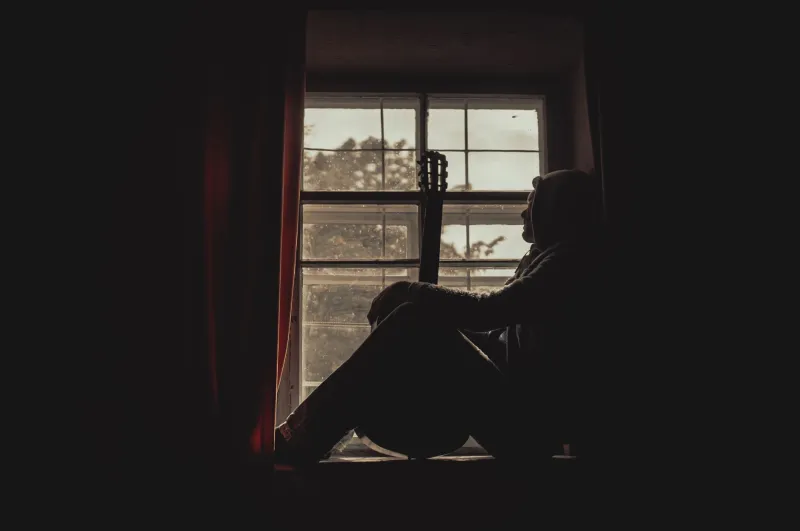
Think about the last time a movie or TV show genuinely made you hold your breath. Not because something explosive was happening — but because nothing was. A character standing at a window. Rain hitting glass. A door that just closed. If that feeling sounds familiar, there's a good chance anime put it there.
There's a word in Japanese — ma (間) — that doesn't translate cleanly into English, which is kind of the whole point. It refers to the negative space between things: the pause between musical notes, the gap between two people standing in a room, the silence after someone says something they can't take back. It's not emptiness for emptiness's sake. It's emptiness that means something. And anime has been using it as a core storytelling tool for so long that most fans absorb it without ever naming it.
What Ma Actually Looks Like on Screen
You've seen ma in action even if you didn't have a word for it. It's the long, wordless shot in Violet Evergarden where a character reads a letter and the camera just... sits there, watching her face process something too big for dialogue. It's the five-second pause in Your Lie in April before a piano performance begins, where the ambient sound of the auditorium fills the space and makes your chest tight. It's the way Mushishi lets its landscapes breathe for what feels like an uncomfortably long time before the story moves forward.
These aren't accidents or budget constraints. They're deliberate choices rooted in a centuries-old Japanese aesthetic sensibility that values restraint as much as expression — sometimes more. The idea is that what you don't show shapes what the audience feels just as powerfully as what you do show.
The American Instinct to Fill the Frame
Compare that to the dominant approach in American animation and action filmmaking, and the contrast is pretty striking. Western studios — whether it's a Marvel blockbuster or a big-budget animated feature — tend to operate on the assumption that an empty frame is a wasted frame. Every second needs to be doing something: a quip, a sound effect, a camera movement, a cut. The pacing is relentless almost by design, as if the audience might wander off the moment things quiet down.
And look, that approach works. It's genuinely entertaining. American action sequences are technically incredible and there's real craft behind them. But there's a cost: when everything is loud, nothing stands out as loud. When every moment is packed, no single moment gets the room it needs to land.
It's the storytelling equivalent of a conversation where someone never stops talking. You stop really hearing them after a while.
Why Stillness Creates Tension Better Than Movement Does
Here's the counterintuitive thing about ma: silence and stillness don't reduce tension. They generate it.
When an anime cuts to a quiet shot of an empty classroom after something emotionally significant just happened, your brain doesn't relax — it starts working harder. It fills the space with feeling. The absence of stimulation forces you inward, into your own emotional response. You're not just watching anymore; you're participating.
This is something horror directors have understood forever. The scariest moment in most horror films isn't the jump scare — it's the ten seconds before it, when the music drops out and nothing moves. Anime applies that same psychological principle across every genre, not just horror. A romance can use ma to make a held gaze unbearable. A coming-of-age story can use it to make the moment before a character makes a life-changing decision feel enormous. A shonen battle can use it to make the instant before the decisive strike feel like the edge of a cliff.
Demon Slayer does this beautifully, actually — for all its jaw-dropping action sequences, some of the most emotionally devastating moments in the series are the quiet ones. A character breathing. A memory surfacing. The world going still before everything breaks.
The Garden at the Center of the Idea
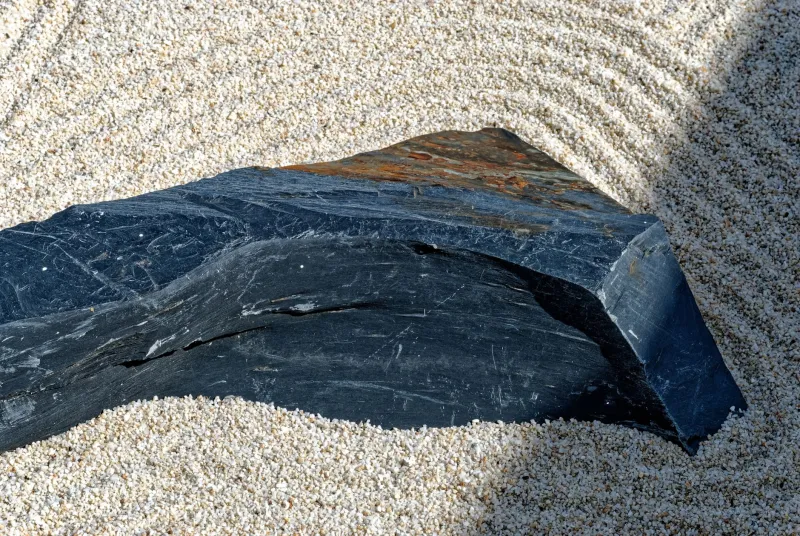
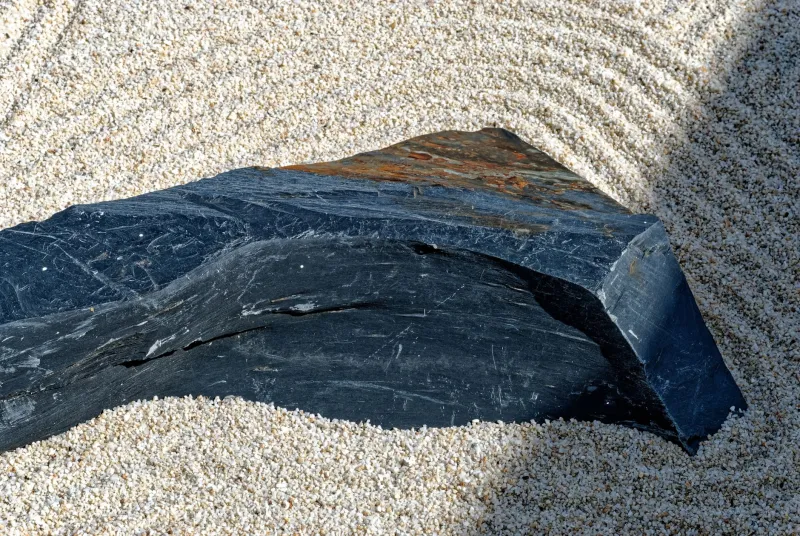
It's worth noting that ma isn't just an anime thing — it's baked into Japanese art and design at a foundational level. Traditional Japanese gardens are built around it. The space between rocks in a karesansui (dry garden) isn't just decorative; it's where the meaning lives. A single branch in an ikebana arrangement is chosen as much for the empty space it creates as for the branch itself. Haiku poetry is practically a ma delivery mechanism — seventeen syllables designed to point at something much larger than they contain.
Anime didn't invent this philosophy. It inherited it. And that inheritance is one of the big reasons anime feels so different from Western animation even when the surface-level content looks similar. The cultural DNA is doing work underneath everything you see.
What American Audiences Are Starting to Figure Out
Here's the good news: US audiences are increasingly open to this kind of storytelling. The global explosion of anime fandom over the last decade isn't just about cool fight scenes and beautiful animation — it's also about the emotional texture that slower, more deliberate pacing creates. Fans who grew up on Attack on Titan or A Silent Voice have been trained, maybe without realizing it, to sit with silence and let it mean something.
You can even see the influence bleeding into American prestige TV. The quieter, more contemplative pacing of shows like The Bear or Beef — the way they use stillness to build pressure — feels closer to anime's sensibility than to traditional American TV rhythm. Whether that's direct influence or cultural convergence is a conversation worth having, but the appetite is clearly there.
Learning to Sit in the Space
If you're newer to anime and you've ever felt impatient during a slow scene — like the story is stalling — try reframing it. The stillness isn't a break from the story. It is the story. The camera lingering on an empty room isn't padding; it's asking you to feel the absence of whoever used to be in it. The pause before a character speaks isn't dead air; it's the weight of everything they're deciding whether or not to say.
Ma is an invitation to slow down and actually feel what you're watching rather than just tracking what happens next. In a media landscape that increasingly treats your attention like a resource to be extracted, that invitation is genuinely radical.
Anime figured out a long time ago that the space between things is where the emotion lives. Once you start seeing it, you can't unsee it — and you'll start noticing how much is missing everywhere else.